
Two Hours in November Beats a Flood in January
OBX homes sit empty all winter — and coastal construction leaves them more vulnerable to frozen pipes than most homeowners realize. We winterize vacation homes across the Outer Banks so you can leave for the season knowing your pipes are fully protected.
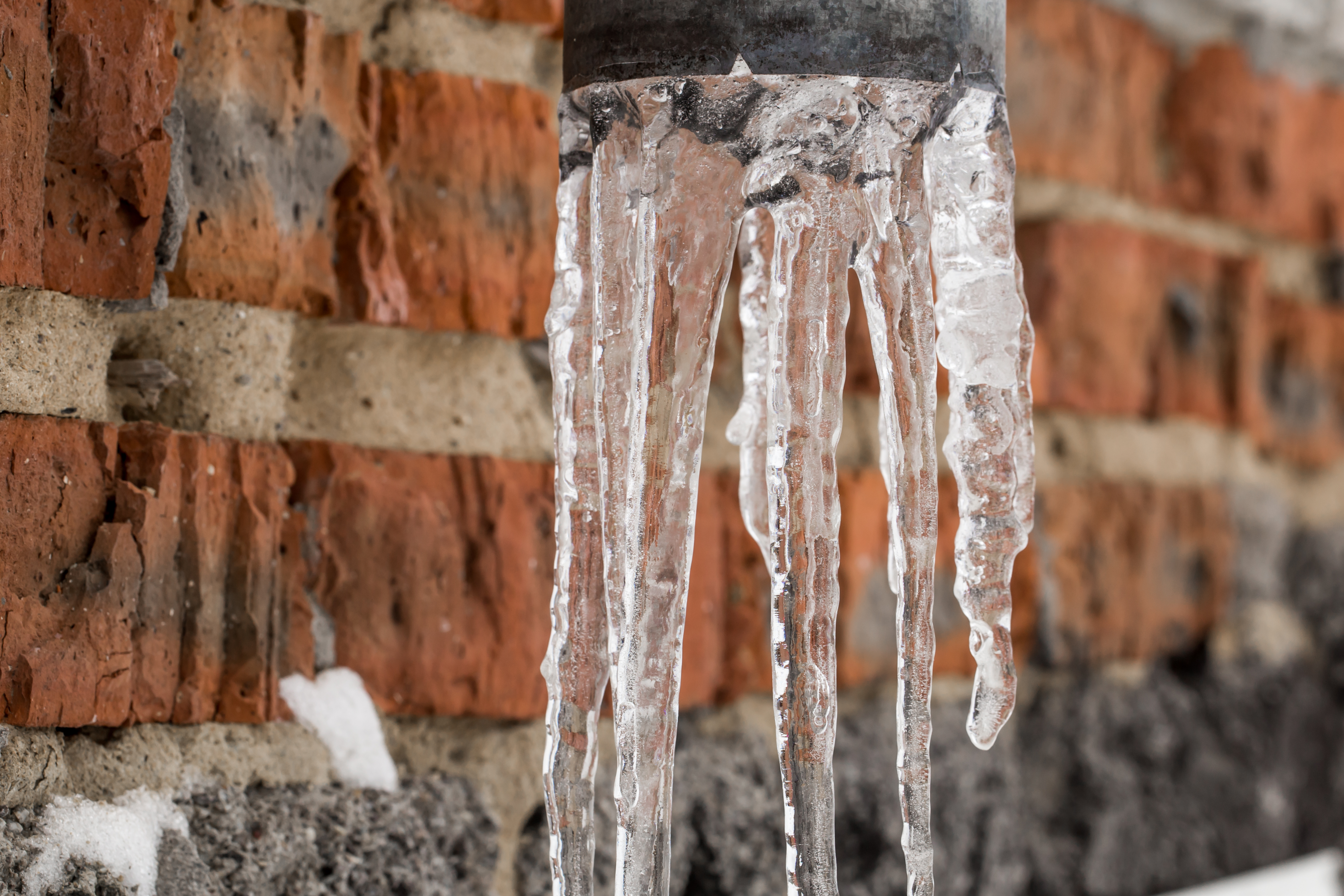
Why Outer Banks Homes Are Especially Vulnerable to Freeze Damage
Most OBX homes were built as seasonal vacation structures, not year-round residences. They're not engineered to handle extended cold periods — and when they sit vacant through a coastal winter, there's no heat running, no one turning on faucets, and no one noticing the slow drip that becomes a burst pipe.
Coastal construction also means longer pipe runs, elevated foundations, and exterior plumbing exposed to wind chill. Outdoor showers, exterior hose bibs, and supply lines under the house are the first places freeze damage shows up. We know exactly where OBX homes are most vulnerable because we've seen what happens when those spots are missed.
What Professional Winterization Actually Covers
Turning off the water supply is a start — but it's not enough. Water stays trapped in supply lines, fixtures, and low points throughout the system. When that residual water freezes, pipes crack. Professional winterization removes it.
Here's what a complete winterization service includes:
- Locating and shutting off the main supply valve
- Connecting an air compressor and blowing all supply lines clear of residual water — the step DIY winterization almost always skips
- Draining and properly treating the water heater
- Flushing toilets and treating tank, bowl, and trap with non-toxic antifreeze
- Draining outdoor showers and exterior faucets, which are among the most freeze-prone components on an OBX home
- Disconnecting and draining garden hoses and hose bibs
- Treating sink and floor drain traps with antifreeze to prevent trap evaporation and sewer gas intrusion
A compressor does what turning off the water supply doesn't. Supply lines hold water at every low point in the system. Without pressurized air pushing it out, that water stays — and if temperatures drop below freezing while your home is vacant, you're looking at cracked pipes and a repair bill that dwarfs the cost of a professional winterization.
Don't Forget Spring: De-Winterization Before Your First Guests Arrive
Winterization and de-winterization go together. When your property is ready to open for the season — typically late February through March — we come back to restore full water service, check for any issues that developed over the winter, and confirm everything is functioning before your first rental guests check in.
If you book winterization with us in the fall, scheduling your spring de-winterization at the same time is the easiest way to make sure your property is ready when the season starts.
Book Before October — Appointments Fill Fast
Winterization is a seasonal service, and the schedule fills up quickly. Most OBX homeowners close their properties in late October and early November — which means our calendar books out well before then.
The right time to schedule is when you're planning your close-up date, not after. If you wait until November, you may be waiting longer than you'd like for an appointment — or leaving your home unprotected through the first cold snap.
Book your winterization appointment early and we'll take it from there.
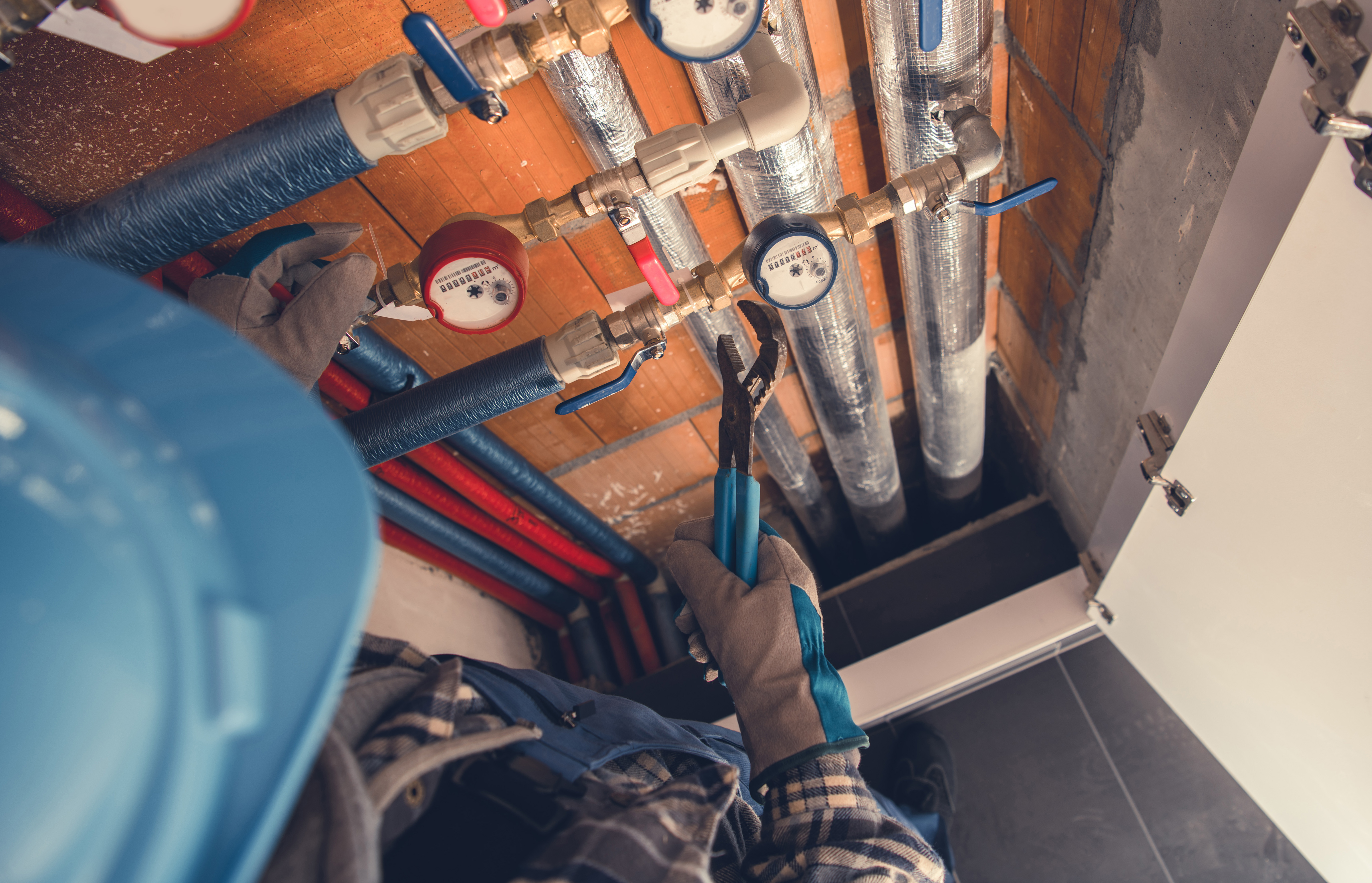
Frequently Asked Questions About OBX Plumbing Winterization
What's the difference between professional winterization and doing it myself?
The main difference is the air compressor. When you shut off the water supply and open faucets, gravity drains what it can — but water stays trapped in supply lines, low points, and fixture connections throughout the system. A compressor pushes pressurized air through every line and forces that residual water out. Without it, you're leaving water behind that can freeze and crack pipes. That's the step most DIY winterization misses.When should I winterize my OBX vacation home?
The target is before you leave for the season — ideally by late October or early November. Hard freezes on the Outer Banks are less predictable than inland, but when they hit a vacant home with no heat running, the damage happens fast. Don't wait for a cold forecast to trigger the call. Schedule it as part of your close-up routine.Do I need to be present for the winterization appointment?
Not necessarily. Many of our vacation homeowners aren't local, and we work with property managers and keyholders regularly. As long as we have access to the home and know where the main shutoff is located, we can complete the service and send you a report when we're done.What does de-winterization involve, and when should I schedule it?
De-winterization restores full water service to the home — we reconnect supply, flush lines, refill the water heater, and check fixtures and connections for any issues that developed over the winter. We typically recommend scheduling for late February or March, before your first rental guests arrive. If you book winterization with us in the fall, we can lock in your spring appointment at the same time.Do you winterize homes in Corolla, Duck, Kitty Hawk, Kill Devil Hills, and Nags Head?
Yes. We serve vacation homeowners throughout the Outer Banks barrier islands. Whether your property is in Corolla, Duck, Kitty Hawk, Kill Devil Hills, or Nags Head, we can schedule a winterization appointment before you close up for the season.
Is winterization covered by homeowners insurance? Winterization itself is a preventive service, so it's typically not covered by insurance. However, the burst pipe damage that results from skipping it often is — and those claims can run into tens of thousands of dollars. The cost of a professional winterization is a fraction of a single water damage repair.
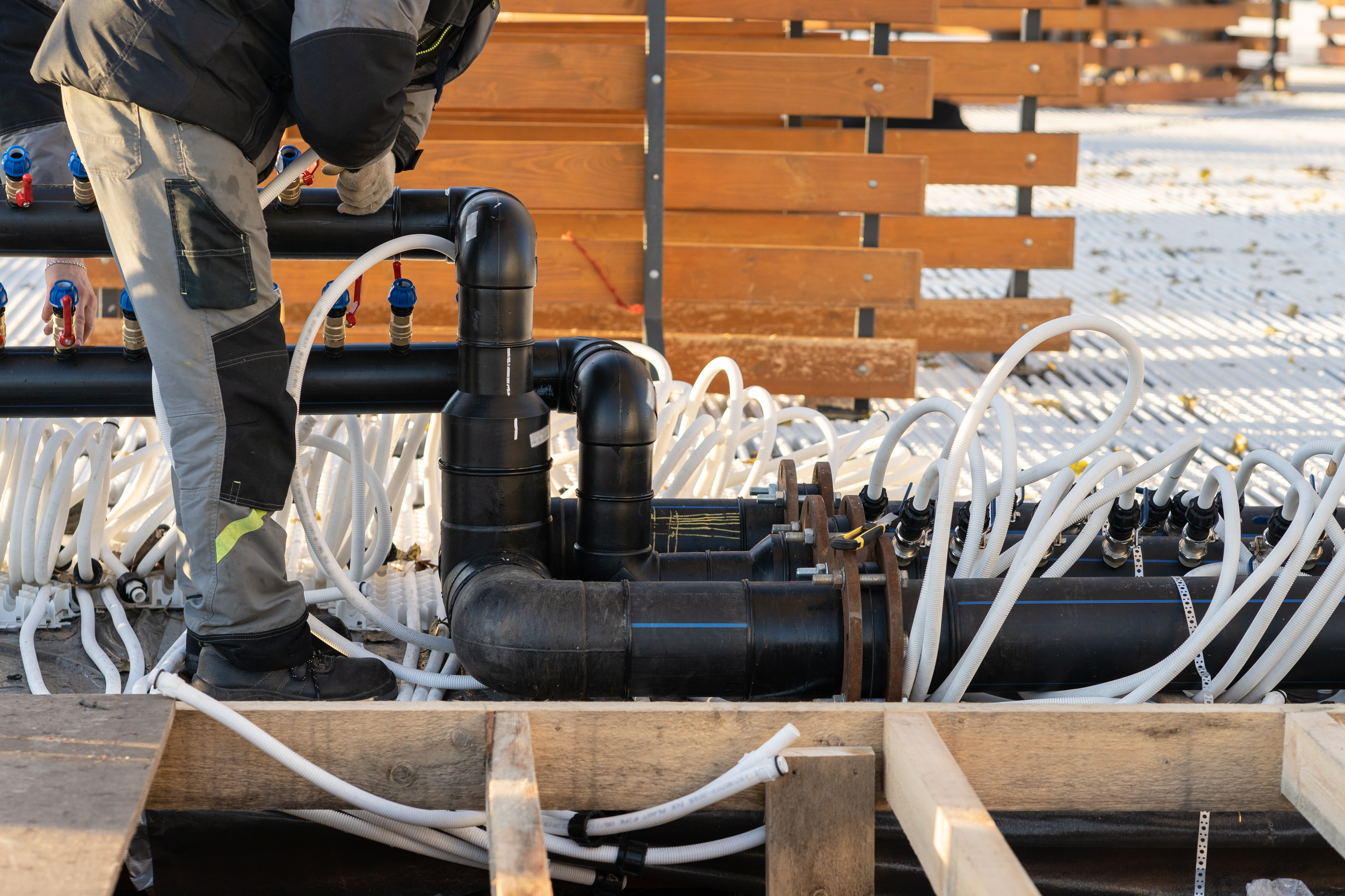
Frequently Asked Questions About OBX Plumbing Winterization
We provide plumbing winterization and spring de-winterization for vacation homes across the Outer Banks. If your property sits vacant through the winter months, a professional winterization is the most reliable way to keep it intact until spring.
Call us to schedule your appointment before the season closes out.